
Brick Cleaning: The Dos & Don’ts
Brick Cleaning: The Dos & Don’ts
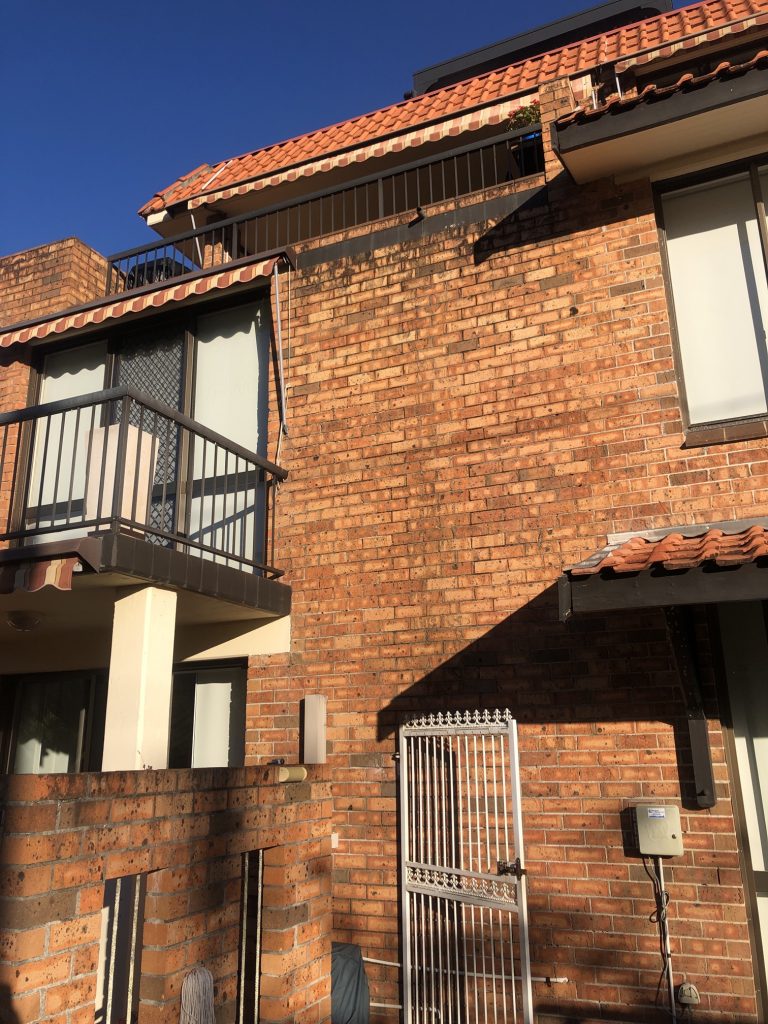
Brick cleaning is quite a common process on any building site. However, there doesn’t seem to be clear, easy to follow instructions written about it. This could be because bricks can be difficult to work with. The incorrect combination of cleaning products, or using the wrong type of pressure cleaning equipment and tools could easily mean that a job is irreversibly ruined or damaged. Fortunately, at Astute, we have a wealth of knowledge and over 15 years of experience to ensure that every job is done safely, efficiently, meeting all standards every time.
Brick Cleaning Preparation/Consideration
When preparing for what is needed for your upcoming brick clean, always consider these few things of great importance. Cost, equipment, tools and the time needed to successfully complete your project.
It is always advisable to sit down and work out the cost that you will incur by undertaking your own brick cleaning versus a professional quote.
When considering DIY, the cost would include:
- The purchase or hire of the correct equipment
- Sourcing the right product and quantity needed according to total square metres
- The time needed from start to finish, keeping in mind most brick surfaces will need to be cleaned twice.
The equipment and tools you will be using to complete the clean are vitally important. The pressure of your machine must be not too high or not too low; it must be just right. The use of tools such as turbo heads turned up high would likely cause irreparable damage to the brickwork. These should only be used by a very experienced technician.
Second to this, always carry out a small sample area to ensure that right cleaning products (mixing ratios) and methods are selected to suit the brick type. Also to be considered is the method used for installing the bricks. Using the wrong products and or the wrong delusion ratio can cause as much damage as the wrong PSI on the pressure cleaner.
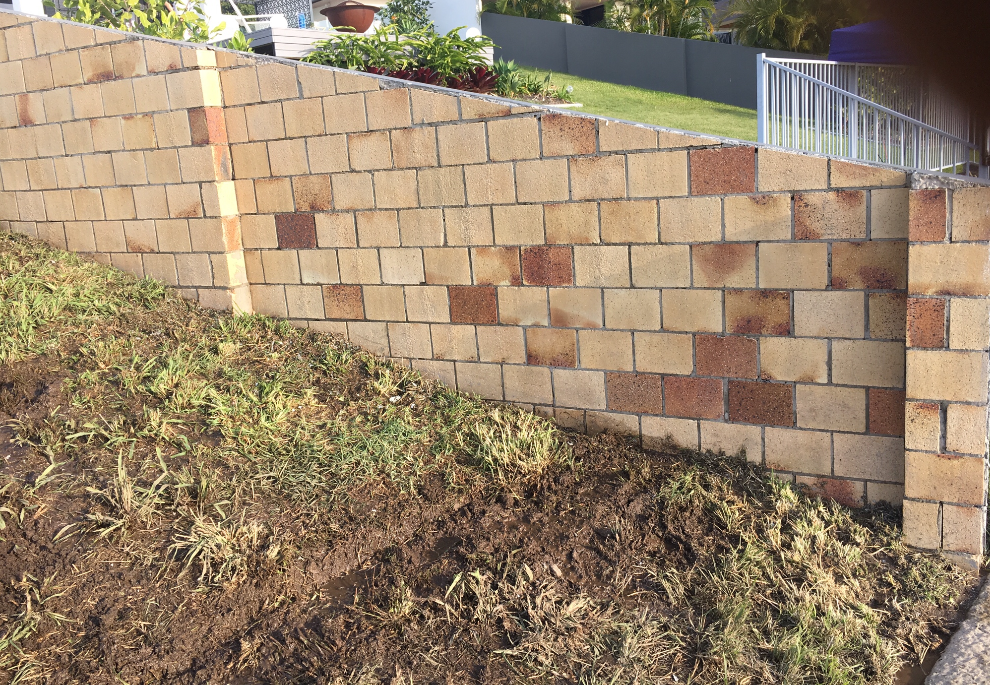
Don’t be Fooled
It is easy to be fooled by the latest home shows on TV! The DIY shows make it look simple and foolproof. As with many things in life, the easy way isn’t necessarily the best way. Correct and long lasting brick cleaning should be left to the professionals. How long a brick cleaning job takes doesn’t just depend on how soiled your bricks are. It also depends on how many bricks there are (total m2) and the type of cleaning method you employ. These all determine how long it will take to complete a clean.
Preparing the Wall and Surrounding Areas
When commencing a brick clean, prepping the wall before anything else is of the utmost importance. Any large chunks of mortar must be removed with a hand tool, such as a chisel or scraper. This cannot be expected that they will be removed through the cleaning process alone.
Further to this, keep an eye out for areas you will need to cover or pre-wet so as not to damage any plants or fixtures with cleaning agents
Applying the Brick Cleaning Products
The wall must be thoroughly saturated with clean water. Once this is done, the appropriate cleaning product is applied, starting at the top and working down in small areas so the product doesn’t dry on the surface. This can be applied with a soft broom or low-pressure sprayer, staying as even as possible with application as unevenness can show in final results. Applying the cleaning agent under high pressure is not recommended, as this can drive the product further into the brick than necessary and can possibly cause further staining.
Any cleaning product must be let to sit on the wall for a few minutes to allow the chemical reaction to take place on the mortar or stains. In Queensland, a shorter wait time is advised as leaving it for too long may lead to secondary staining.
Washing the Wall
The wall is then washed with a pressure cleaner from top to bottom, flushing out any dissolved mortar particles while ensuring not to damage the mortar or brick face. The maximum pressure of the pump should be low, approximately 1200 to 3000psi. Keep in mind that the higher the flow rate, the better results (7 litres per minute (l/pm) won’t be enough, 15-21l/pm is recommended). This is to prevent any damage to either the bricks or the mortar. Always use a wide nozzle angle (15°) and be sure to keep a safe distance from the wall.
Finishing Up
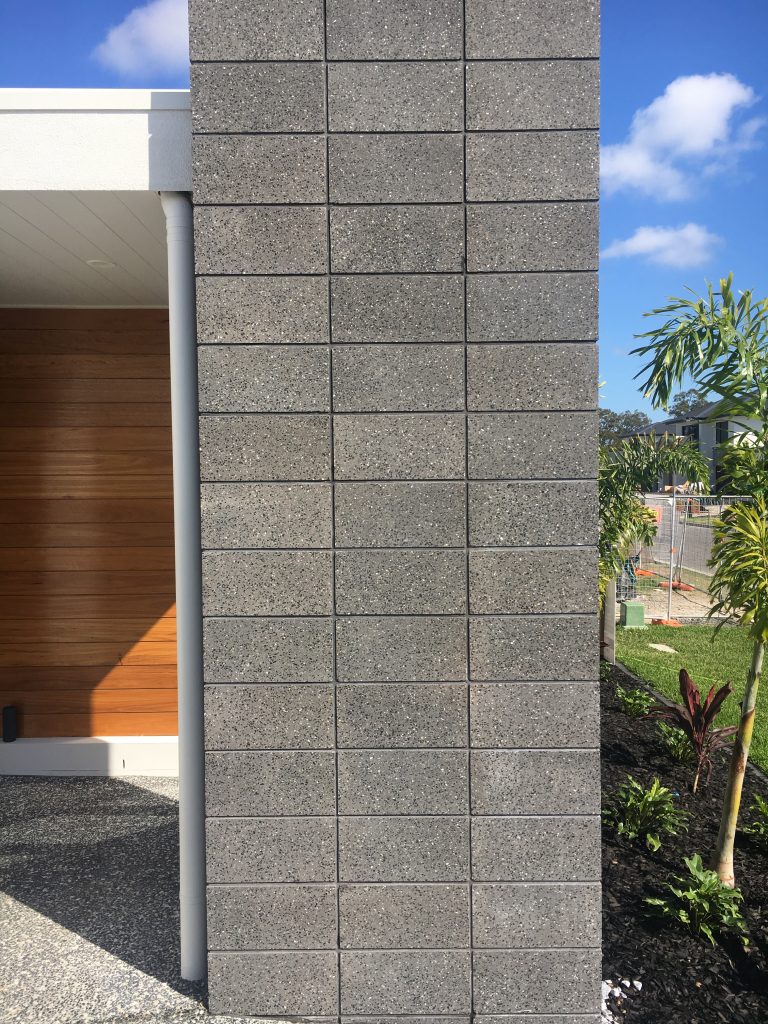
A second treatment may be required to get the best results. Any lumps or smears will need to be removed and then the same process followed.
Once the cleaning is finished, the brick should be neutralised to balance the PH levels. All sand and dirt needs to be rinsed from surroundings like the eaves, walls, windows, plants and gardens. Once the wall is dry, check to see if any further cleaning is required.
This is a process that we have developed over many years and it is one that always gets results. No matter the type of brick, we ensure all surfaces are treated with respect and to the manufacturers guidelines to guarantee perfect results every time.